


At a minimum, preparing for a home renovation means starting with these things: the purpose of the renovation, budget planning, choosing the contractor or workers who will do the job, and a temporary storage area so your belongings don’t get covered in renovation dust.
Good preparation doesn’t just help you save money — it also reduces the risk of stress while the renovation is underway. Here’s a closer look.
Decide on the Purpose of the Renovation From the Start
Before you begin, the first thing to think through is the main goal. Is the renovation meant to repair damage, expand a room, change the look of the house, or add a particular function?
With a clear goal, you’ll find it much easier to set priorities, adjust your budget, and avoid changing plans midway — which is exactly what tends to push costs up.
Set a Realistic Budget
Renovation costs often balloon when they aren’t planned properly. That’s why it’s important to make a realistic budget estimate from the outset. The budget should cover materials, labor, additional costs, and a contingency fund for anything unexpected.
Careful cost planning leaves you better prepared for whatever comes up during the renovation.
Choose the Right Workers or Contractor
The quality of a renovation depends heavily on who carries it out. Choosing experienced workers or a contractor helps minimize mistakes and speeds up the process.
Before deciding, look for references, review their previous work, and make sure communication flows well so all your requirements are clearly understood.
Prepare the Areas of the House You’ll Be Clearing
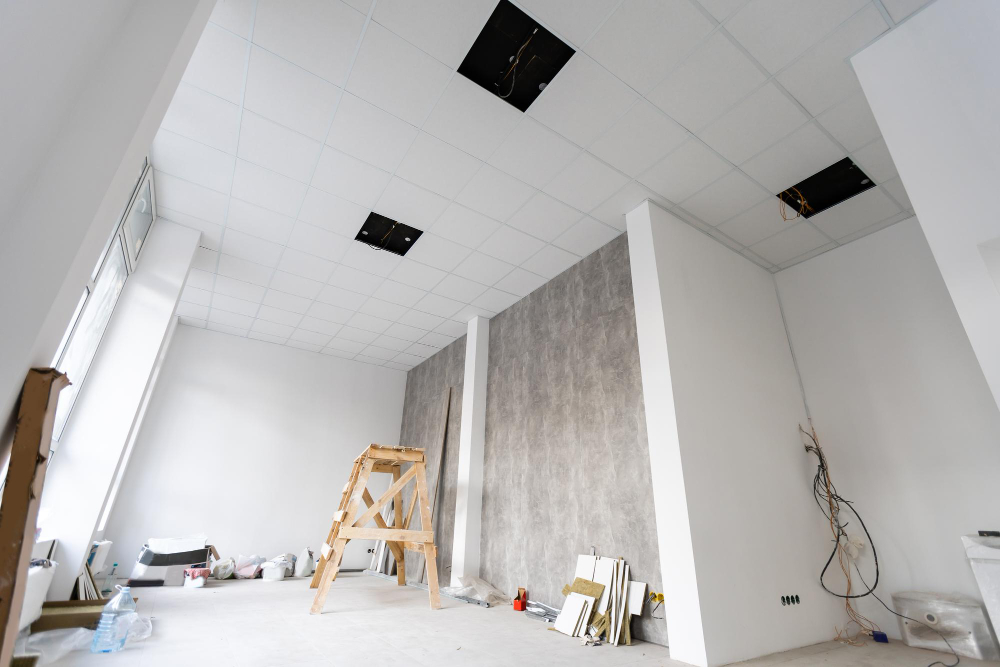
One thing people often forget before renovating is dealing with their belongings. When a particular area is about to be worked on, furniture, household appliances, and personal items usually need to be moved so they don’t get damaged or get in the way of the work.
Reorganizing your things before the renovation makes the work safer and keeps the house from feeling too chaotic.
Protect Your Belongings From Dust and Damage
Renovation comes with dust, debris, and a lot of taking apart and putting back together. Anything that stays in the house needs protecting so it doesn’t get dirty or damaged. Some items can simply be covered with a protective sheet, but for anything large, valuable, or rarely used, it’s better to move it somewhere safer.
This step matters so that once the renovation is finished, you’re not dealing with additional damage to things around the house.
Think About Timing
Deciding when to renovate is an important part of the preparation too. Choose a time when your household routine won’t be disrupted too much. If it’s a major renovation, also consider whether you’ll stay at home throughout the process or need to find somewhere temporary.
Planning the timing well leaves you better prepared, both mentally and logistically.
Arrange Extra Storage Space if You Need It
While a renovation is underway, the house usually feels more cramped because so many things have been moved into other areas. If there’s a lot to keep safe, arranging extra storage space can be the solution that keeps your home feeling more open and the renovation running more comfortably.
Extra space also helps keep your belongings safe and clean, and out of the workers’ way.
Understanding what to prepare before renovating your home will help you go through the process with more calm and structure. From setting a goal and drawing up a budget to choosing your workers and arranging storage, every one of these steps plays a part in a smooth renovation.
If you need a safe place to store furniture, household items, or other equipment while your renovation is underway, SpaceHub offers a storage solution that’s clean, secure, and easy to access.
Visit SpaceHub to find a storage space that matches your needs, so the renovation feels more manageable and doesn’t leave your house even fuller than before.
Contact SpaceHub for more information and other great offers.