

Remote work has become far more common in recent years, and many companies and workers in Indonesia now treat it as a normal part of how they operate. But for some people, the concept still gets mixed up with terms like WFH or hybrid.
So what is remote work, really? How does it work, and what are the pros and cons? Remote work is a way of working without having to be present at an office, where the job is done from any location as long as you’re connected online.
In this article we’ll cover the definition in full, how it differs from WFH and hybrid, the advantages and challenges, and tips for doing it productively. By the end, you’ll be able to judge for yourself whether remote work suits you.
What is Remote Work?
Remote work is a way of working without having to be present at an office, where the job is done from any location — home, a café, or a coworking space — with the help of an internet connection and online collaboration tools.
Understanding Remote Work
Put simply, remote work (or remote working) means you get your work done without being tied to one physical office location. What matters isn’t where you sit, but the results you produce and how you coordinate with your team. As long as the work can be done through digital devices and the internet, location becomes flexible.
The concept has grown quickly alongside advances in communication technology. Work that once required being in an office can now largely be done from anywhere, as long as you have a laptop and a decent connection.
How Remote Work Actually Runs
Remote work rests on digital tools that make long-distance communication and collaboration possible. Teams spread across different locations can still work together through chat apps, video conferencing, and project management tools that divide tasks and track progress.
Documents and files are shared through cloud storage, so everyone can access them at any time. In essence, the coordination that happens face to face in an office is moved into a digital space.
The Difference Between Remote Work, WFH, and Hybrid
These three terms are often treated as interchangeable, but there are real differences:
- WFH (Work From Home) — working specifically from home. This is the most specific form of remote work: the location is your house.
- Remote work (remote working) — broader than WFH. You can work from anywhere: home, a café, a coworking space, or even another city, as long as you’re connected to your team.
- Hybrid — a combination of working from the office and working remotely. A few days in the office and the rest elsewhere, for example.
In short: WFH is a subset of remote work (home specifically), while hybrid mixes office work with remote work. Understanding these distinctions helps you know exactly which working model is being discussed.
Examples of Jobs That Can Be Done Remotely
Not every job can be done remotely, but digital-based roles are generally the best fit. A few examples:
- Content writer — writing articles, blogs, or content materials from anywhere.
- Developer / programmer — building software and applications remotely.
- Graphic designer — creating visual work and delivering it online.
- Digital marketer — managing digital marketing campaigns and social media.
- Virtual assistant — handling administrative tasks for clients from a distance.
Many of these roles are also popular among freelancers. If you’re interested in pursuing independent work, you can read more in our article on freelance jobs for beginners.
The Advantages of Remote Work
Remote work offers a number of benefits that keep making it more appealing.
Flexibility in Time & Location
This is the advantage you feel most. You can work from wherever is most comfortable and, in many cases, arrange your working hours more freely. That flexibility makes it easier to balance work with personal matters.
Saving Time & Transport Costs
Without a daily commute, you save travel time that in a city like Jakarta can run into hours, while also cutting transport costs. Time normally lost on the road can go toward work or rest instead.
Potential for Higher Productivity
For some people, working without the interruptions of an office environment — impromptu meetings, conversations that break your focus — actually boosts productivity. You can build a working environment that matches your own rhythm and concentration.
That said, this depends heavily on self-discipline and your working environment — which we’ll get into in the challenges section.
The Drawbacks & Challenges of Remote Work
Alongside its advantages, remote work comes with challenges worth anticipating.
Hard to Focus, With Plenty of Distractions (Especially at Home)
Home is full of temptations: the bed, the TV, household chores, or other family members. Without boundaries and the right environment, focus becomes hard to maintain and productivity can drop.
The Line Between Work and Rest Gets Blurry
When your workplace and your living space become one and the same, the line between “work time” and “personal time” easily blurs. Many remote workers end up working longer hours because they feel they have to be constantly available — which over time carries a risk of burnout.
Less Direct Interaction & Collaboration
Communicating through a screen doesn’t fully replace face-to-face interaction. Some people feel more isolated, and certain kinds of brainstorming or team coordination feel slower than they would in person.
Tips for Working Remotely Effectively
The challenges above can be managed with the right habits. Here’s how.
Build a Routine & Clear Working Hours
Flexible as it is, having a consistent routine and set working hours helps protect both your productivity and the boundary between work and rest. Decide when you start and stop working, and try to stay consistent.
If you work independently, time management tips for freelancers can help you build this routine in more detail.
Set Up a Workspace That Supports Focus
Your environment has a big influence on concentration. Set aside at least one dedicated area for work, separate from where you relax, with adequate lighting and minimal distractions.
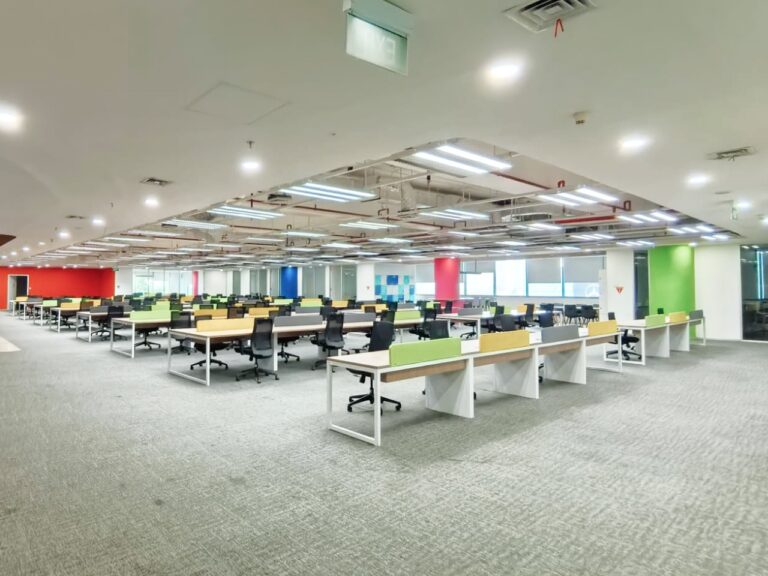
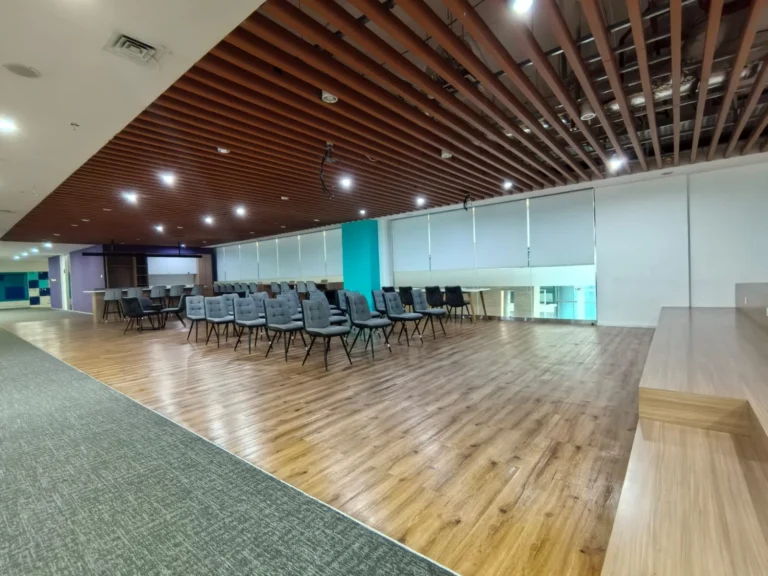
If the atmosphere at home is hard to control for focus, or you need somewhere more professional for meetings, working elsewhere now and then can help. Coworking spaces and flexible workspaces are a popular option for remote workers who need a more conducive environment without committing to an office lease.
Keep Communication With Your Team Strong
Because you’re not meeting in person, proactive communication is key. Share progress updates regularly, stay responsive when needed, and make use of collaboration tools to keep everyone in sync. Clear communication prevents the miscommunication that so often crops up in remote work.
Protect Your Work-Life Balance
Set firm boundaries between work time and personal time. Once the workday is done, close the laptop and give yourself a real break. Maintaining this balance is what makes remote work sustainable over the long term.
Ready to Work Remotely?
Remote work offers a kind of flexibility that’s hard to find in conventional office work, but it also demands discipline and the right environment to stay productive. By understanding the concept, the pros and cons, and how to approach it, you can make the most of its advantages while anticipating its challenges.
Remote work is flexible, but home isn’t always the ideal place to focus or take meetings. If you need a more conducive workspace in Jakarta, SpaceHub offers flexible workspaces available for daily rental. Explore the options here.