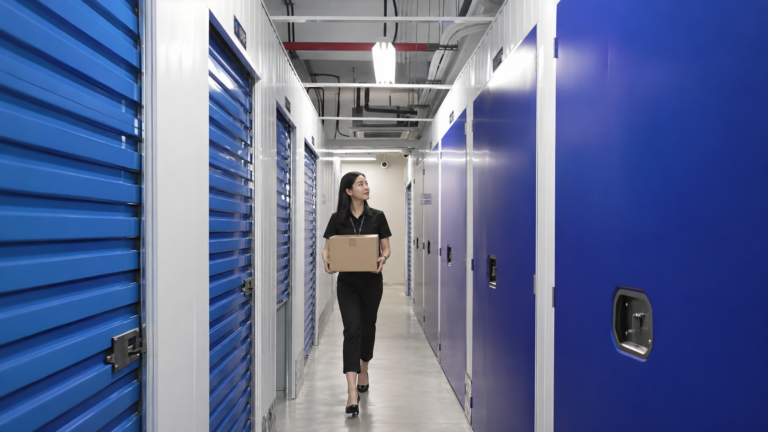

Self storage is a rented, lockable unit you access on your own schedule, usually billed monthly. People rent it for a fairly predictable set of reasons: a move, a renovation, a house sale, business inventory, a home that’s simply too small, or a life stage in transition. If your situation isn’t on that list, you may not need it — and we’d rather say that than sell you a unit.
The common thread across all of these is time. Storage isn’t really about space; it’s about buying yourself the time to decide, to renovate, to relocate, or to grow, without having to solve the space problem in the same week.
You’re Moving House
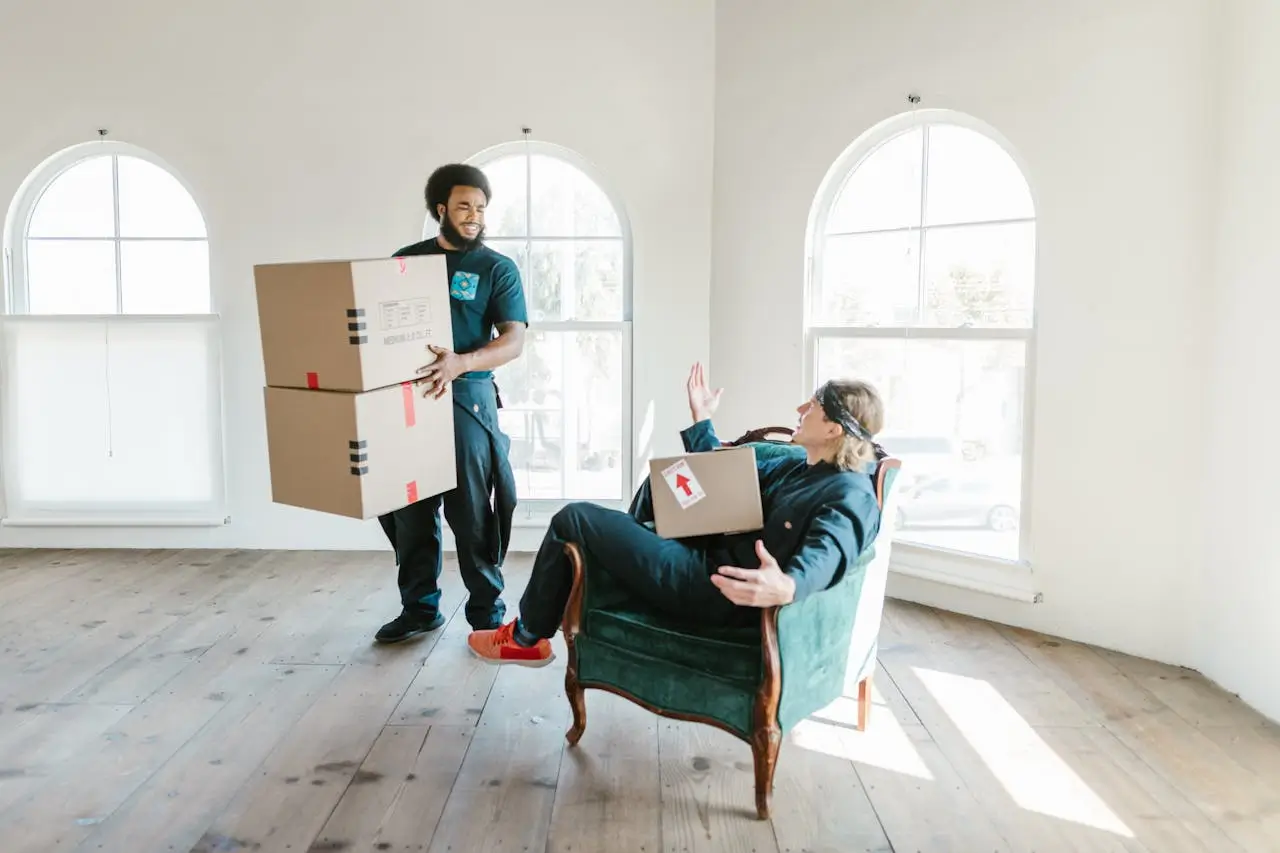
The most common reason, and the one storage handles best. Move-out and move-in dates rarely line up neatly, and a unit covers the gap. It also lets you move in stages instead of doing everything in one exhausting weekend.
A monthly contract is the right shape here — if the new place is delayed, you extend rather than scramble.
For the full breakdown — when to rent, what to store, how to size a unit — see our guide to self storage for moving house.
You’re Selling or Renting Out a Property
Empty rooms look bigger. Agents routinely recommend clearing furniture and personal items before photographs and viewings, because a cluttered room is harder for a buyer to picture themselves in, and photographs are where most property searches begin.
Moving the excess into storage for a few months is usually cheaper than the alternative — a property that sits on the market longer than it needs to.
You’re Renovating
Contractors need clear rooms; your sofa needs to be away from the dust, paint, and foot traffic. Storing furniture for the duration is far cheaper than replacing a damaged dining set, and it usually speeds the work up because the crew isn’t manoeuvring around covered furniture.
Renovation timelines slip almost as a rule, so month-to-month flexibility matters more here than anywhere else.
You Run a Business and Need Somewhere for Stock
This is the fastest-growing use case, and for online sellers it’s often the alternative to renting a warehouse or filling a spare bedroom.
Storage works for business when you need:
- Inventory you restock frequently — especially seasonal peaks like Ramadan, Harbolnas, or year-end
- Equipment used on rotation: event gear, photography kit, exhibition displays
- Archived documents you’re required to retain but don’t need at the desk
- Furniture and fixtures between office moves
The location logic is different for business than for personal storage. A cheaper unit an hour away costs you more in trips than you save in rent. Close to your operation beats cheap.
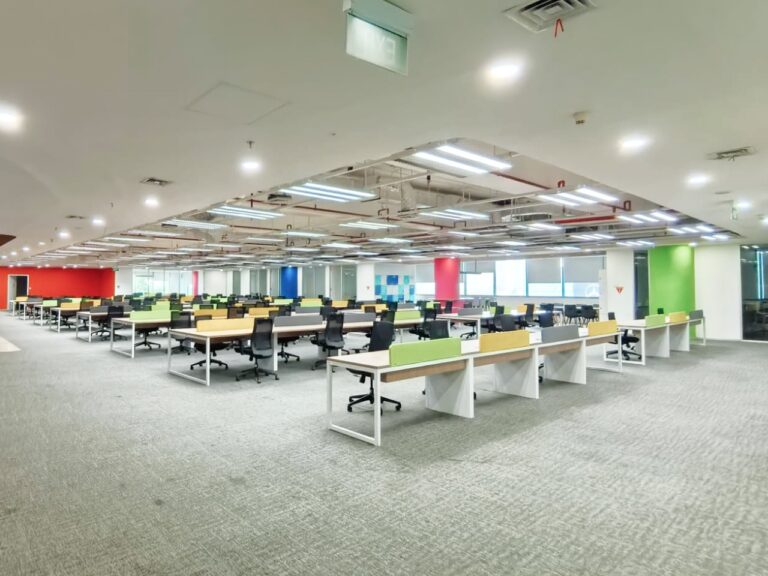
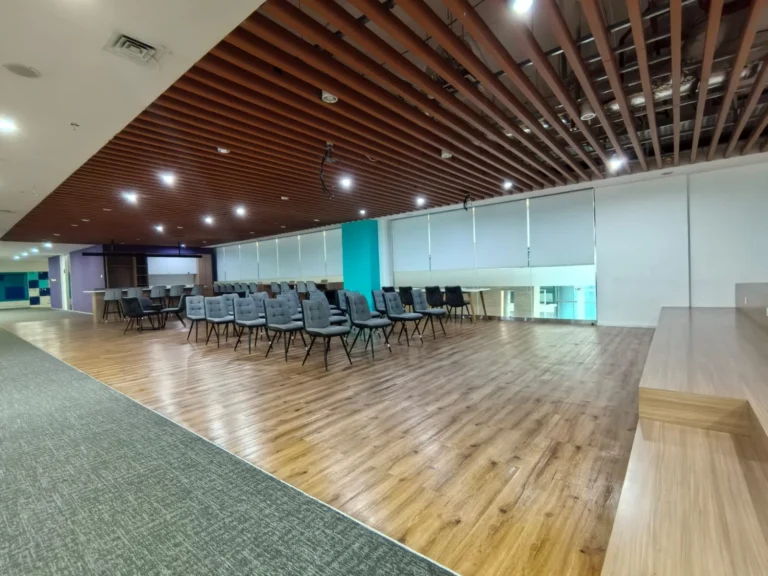
If you’re storing business stock and also need somewhere to work or meet clients, SpaceHub Thamrin has hot desks and meeting rooms in the same building.
Your Home Is Small and You Like It That Way
Apartments and kos in central Jakarta trade space for location. That’s a reasonable trade — until the things you own start to crowd the way you live.
Storage lets you keep the location and keep the things: seasonal clothing, sports and camping gear, a bicycle, boxes of books, the furniture from your last place that won’t fit here but that you’re not ready to sell. The rule of thumb is straightforward — if you haven’t touched it in six months but you’d be annoyed to lose it, that’s a storage item.
You’re Between Life Stages
Storage is quietly useful during transitions: coming back from or leaving for an overseas posting, a relationship ending or beginning, dealing with a parent’s home after a death, a long assignment in another city.
These are the situations where you shouldn’t have to make permanent decisions under time pressure. A unit gives you a few months to think, which is often exactly what’s needed.
You Collect Things
Hobbies expand. Vinyl, cameras, sneakers, bikes, art, tools, motorsport parts — collections outgrow homes long before their owners are willing to part with them. A storage unit is usually cheaper per square metre than upsizing your home, and for humidity-sensitive collections it can be more protective than a spare room.
You Want Valuables Off the Ground Floor
Worth mentioning honestly for Jakarta: flooding is a recurring seasonal risk in parts of the city, and ground-floor storage of documents, electronics, and furniture carries real exposure. Storing important items in an upper-floor facility is one reasonable mitigation.
Storing Something in Jakarta?
SpaceHub has three branches — Thamrin (Galeon Square) and Bendungan Hilir in Central Jakarta, and Daan Mogot in West Jakarta — with a range of unit sizes, CCTV monitoring, weather-protected units, and month-to-month rental.
Tell us what you’re storing and why, and we’ll tell you what size you need. If it turns out you don’t need a unit, we’ll tell you that too.