

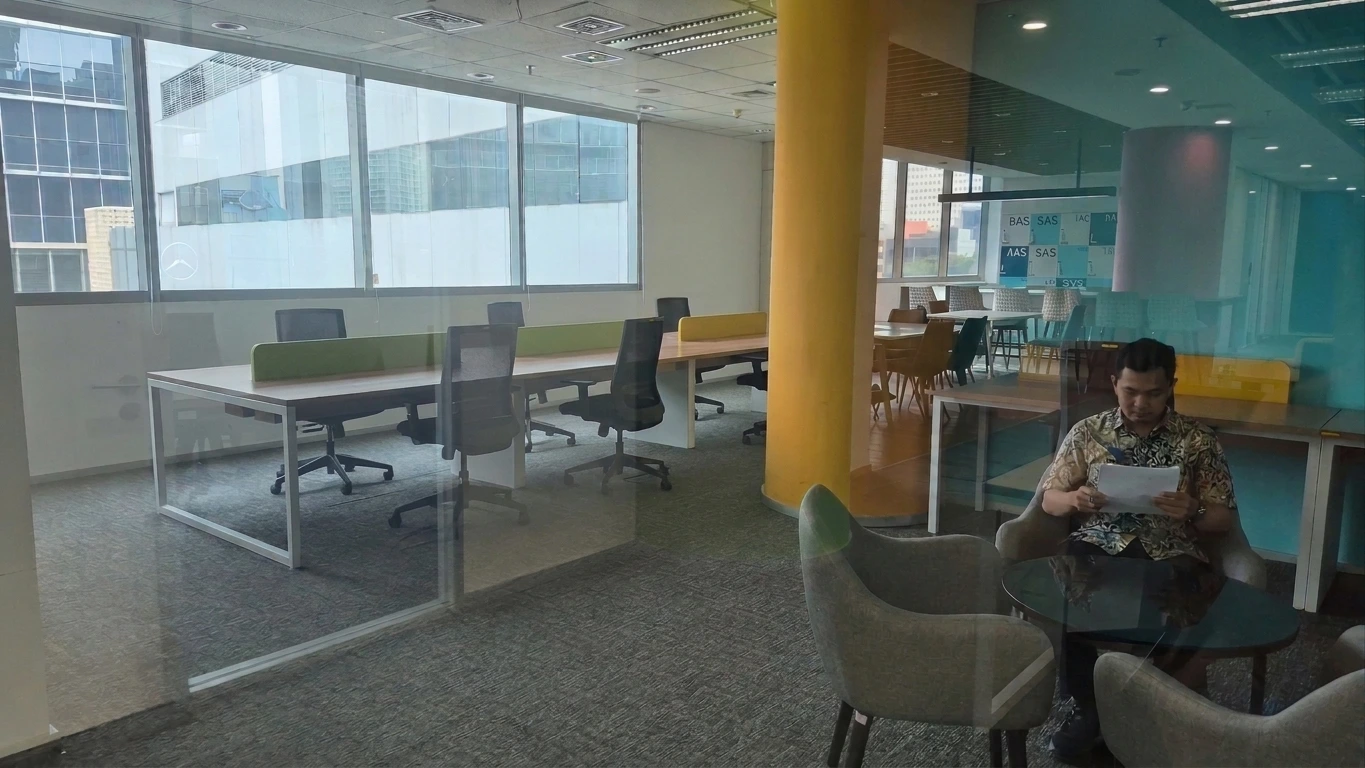
Work used to mean coming into the office every day, from morning until evening. Today, advances in technology and the internet have led many companies to offer the option of working at the office as well as from home or anywhere else. This way of working is what’s known as hybrid working.
For employees, it offers flexibility. For companies, it can be a way to cut costs while keeping the team happy. But to really work, a hybrid system needs to be designed carefully. Let’s start with what it actually means.
What Hybrid Working Means
Hybrid working is a working pattern that combines working from the office (WFO) with working remotely (work from anywhere, or WFA). Employees don’t have to be at the office every day, but there’s still a schedule or an agreement on when the team needs to meet face to face.
Essentially, a hybrid system makes room for flexibility without doing away with the in-person interaction that work still needs.
The Difference Between WFO, WFA, and Hybrid
| Aspect | WFO | WFA / Remote | Hybrid |
|---|---|---|---|
| Work location | Always at the office | Home or anywhere | A combination of the office and other locations |
| Face-to-face interaction | Every day | Rare or none | Scheduled |
| Flexibility | Low | High | Medium to high |
| Office space needed | Full | Minimal | Smaller and more flexible |
| Main challenge | Travel time and traffic | Coordination and feeling isolated | Managing schedules and communication |
Hybrid Working Models
There’s no single form of hybrid that suits every company. Here are some of the models commonly used:
Office-First
The office remains the center of activity. Employees work at the office most of the time, with an allowance of a few WFH days per week or per month.
Remote-First
The reverse: remote working is the default. The office or workspace is used only for specific needs, such as important meetings, onboarding, or team events.
Fixed Hybrid
The company designates certain days for working at the office — Mondays and Thursdays for all teams, for example. This model makes coordination easier because everyone knows when they can meet.
Flexible Schedule
Employees are free to choose when they come into the office, as long as their work targets are met. A good fit for teams that are already self-sufficient and used to working based on results.
Hub and Spoke
The company keeps a smaller head office, then makes use of coworking spaces at several strategic points so employees can work closer to where they live. This model is increasingly relevant in big cities like Jakarta, where travel time can be very long.
The Advantages of Hybrid Working
For employees:
- Travel time and costs go down, because there’s no need to come into the office every day.
- More freedom to manage the balance between work and personal life.
- The ability to choose the working environment that best suits the kind of work at hand that day.
For companies:
- Office rental and operational costs can be reduced, because less space is needed.
- A wider pool for recruiting talent, no longer limited to people living near the office.
- Flexibility can become an added value in employer branding.
The Challenges of Hybrid Working
Appealing as it is, a hybrid system also comes with challenges worth anticipating:
- Coordination is more complicated. Differing team schedules can hold up meetings and collaboration.
- Communication is prone to misunderstanding. Written messages are often misread without the context of being face to face.
- Gaps between teams. Employees who come into the office more often can unwittingly become more “visible” than those working from home.
- Blurred lines between work and personal life. Working from home can stretch your hours without you noticing.
- Work culture is harder to maintain. Without regular meetings, a team’s sense of togetherness can fade.
How to Apply Hybrid Working Effectively
- Decide on the most suitable model. Match it to the kind of work, the size of the team, and how much collaboration is needed.
- Set clear, written rules. For example, mandatory office days, response times, and how to request a schedule change.
- Use the right collaboration tools. Make sure the team has access to video conferencing, task management, and shared document storage.
- Measure performance by results. Focus on output, not simply hours of attendance.
- Schedule regular face-to-face meetings. Weekly meetings, brainstorming sessions, or a monthly townhall help keep the team close.
- Evaluate periodically. Ask the team for input and adjust the rules if something isn’t working.
A Workspace That Supports Hybrid Teams
One of the biggest questions when moving to hybrid is: “If we downsize the office, where does the team meet?” This is where a coworking space can be the solution.
SpaceHub Lab at Galeon Square (formerly Chubb Square), Thamrin, Central Jakarta, provides flexible workspace for hybrid teams:
- Hot desks and dedicated workspace for face-to-face working days, without having to rent a full office.
- Meeting rooms for team meetings, brainstorming sessions, or meeting clients.
- Event space for townhalls, workshops, or internal events that bring the whole team together.
- An easy-to-reach location, close to Dukuh Atas MRT, the Tosari TransJakarta stop, and Sudirman commuter rail station.
There’s one more thing that often gets forgotten when a company moves to hybrid: the office items that no longer fit. Desks, chairs, archives, or event equipment can be stored at SpaceHub Storage in the same building. That way, you can downsize your office without having to throw out assets that are still useful.
Contact SpaceHub today and build the flexible business operation that grows with you.
Stay Connected With SpaceHub
Follow SpaceHub on social media for the latest updates, storage tips, and inspiration for creating a more open space.
Instagram | TikTok | LinkedIn | Website
SpaceHub — Your Space, Your Way.