
What Is Meant by Storage? These days, daily life is inseparable from storing things—whether clothing, documents, business stock, or household items.
This article will help you understand the basic concept of storage, its types, and how storage systems work in practice. It’s perfect if you’re learning to organize your home, business, or workspace more neatly.
What Is Storage?
Grey card files isolated on white background, 3D
Storage is the process of placing or keeping goods, data, or assets in a designated place so they’re protected, easy to find, and ready to use when needed.
Common examples of storage in everyday life include:
- Storing clothes in a wardrobe
- Filing documents in an archive drawer
- Keeping product stock in a warehouse
- Storing personal items in a self-storage unit
Storage isn’t just about “hiding things” out of sight; it’s also about implementing a system to manage space so it feels more comfortable and efficient.
What Are the Types of Storage?
Broadly, storage can be divided into two major categories:
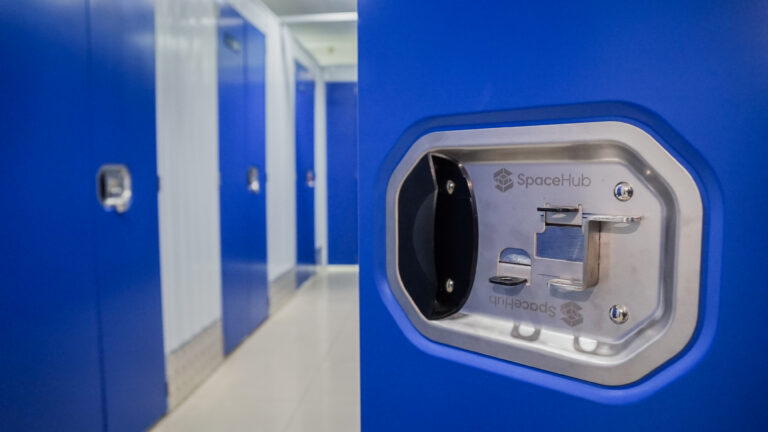
- Physical Storage: Covers all tangible places to store items. Examples: shelves, wardrobes, drawers, warehouses, and self-storage units like SpaceHub. This type is commonly used in households, offices, and businesses.
- Digital Storage: Storage for non-physical data, such as cloud storage, external hard drives, flash drives, and servers. This is typically used for files, digital documents, or computer data.
In this article, we focus on physical storage, especially solutions that help address limited space.
What is a Storage System?
A storage system is a method or approach for storing items so they’re easier to access and less likely to create clutter.
Common storage systems include:
- FIFO (First In, First Out): The first item in is the first item out—ideal for food stock or products.
- Categorization by function: For example, keeping kitchen items separate from work tools.
- Labeling: Adding names or tags to each box or shelf so you don’t get confused when searching.
A good storage system helps you:
- Save time when looking for items
- Prevent damage caused by stacks and overloading
- Keep rooms tidy and uncluttered
What Are the Functions of Storage?
The main functions of storage go beyond simply “keeping things”:
- Protect items from dust, damage, or loss
- Organize space so your home or workplace is more orderly
- Support daily activities by keeping items within easy reach
- Manage inventory for MSMEs or small businesses
- Provide peace of mind, because everything has its place
SpaceHub: Flexible Personal Storage Solutions
If your home, office, or workspace is getting crowded—but you still need to keep important items—SpaceHub can be a practical and secure way to add storage.
Why SpaceHub:
- Clean, secure, air-conditioned units
- Store archives, product stock, suitcases, extra furniture, and sentimental items
- Various sizes—from locker-sized book storage to units large enough for an entire home’s furniture
- Strategic central Jakarta locations: MH. Thamrin, Benhil, Gajah Mada, Daan Mogot
- Flexible access according to your needs
So, what is storage? The answer: it’s not just a place to keep things—it’s a system that helps us live more organized, spacious, and calm.
When your home runs out of room, don’t rush to throw things away. Move them to SpaceHub and enjoy the benefits of extra space—without moving house.
Find more inspiration and articles on business, space, and urban living at www.spacehub.id.
Follow us on Instagram | TikTok: @spacehub.storage
Facebook: SpaceHub Storage Indonesia