
An art exhibition is not only a platform to display works but also a means of appreciation and interaction between artists, collectors, and the public. For an exhibition to run smoothly, it requires thorough planning with clear stages from start to finish.
Below is a complete guide to the stages of organizing an art exhibition, applicable for both small and large-scale events.
Read also: Understanding Exhibitions and Their Types
Stages of Organizing an Art Exhibition
1. Planning
The initial stage determines the exhibition’s success. At this stage, the organizer should:
- Decide on the exhibition’s theme and objectives (e.g., promoting emerging artists, fundraising, or art appreciation).
- Define the target audience—whether it’s the general public, collectors, or a specific art community.
- Prepare a budget and allocate funds for venue rental, promotion, equipment, and security.
- Seek sponsorship or funding if needed.
Thorough planning will make the following stages much easier to execute.
2. Preparation
Once the plan is finalized, move on to the technical preparation stage:
- Select a venue that matches the theme and offers comfort for visitors.
- Design the exhibition layout to optimize visitor flow and artwork placement.
- Curate the artworks to be displayed, checking each piece’s condition and security.
- Prepare equipment such as displays, lighting, artwork labels, and promotional materials.
This stage ensures all technical details are ready before the opening day.
3. Execution
This is the highlight of the exhibition:
- Arrange the exhibition space according to the planned layout, with proper lighting and proportional placement of works.
- Open the exhibition with a ceremonial or soft opening to attract media and visitor attention.
- Provide information to visitors through exhibition guides or printed/digital materials.
A well-executed exhibition will leave a lasting impression on visitors.
4. Closing & Evaluation
The final stage is just as important:
- Safely dismantle and pack artworks for return to the artists or collectors.
- Evaluate the results in terms of visitor numbers, sales, and achievement of initial objectives.
- Record feedback for improvements in future exhibitions.
Honest evaluation helps improve the quality of future events.
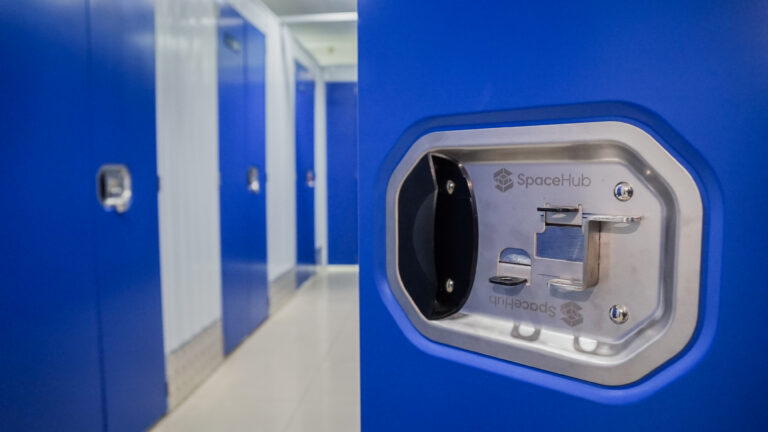
SpaceHub – Secure Art Storage Solution
One of the biggest challenges for exhibition organizers is storing artworks and equipment before and after the event. This is where SpaceHub becomes the ideal solution.
Why SpaceHub is perfect for art exhibition organizers:
- Private storage units for artworks, displays, backdrops, and event equipment.
- 24-hour security & personal PIN access to keep items safe.
- Air-conditioned rooms to protect works from humidity and dust.
- Strategic locations in Jakarta: Thamrin, Gajah Mada, Benhil, and Daan Mogot.
With SpaceHub, organizers can focus on curation and promotion without worrying about the safety and organization of logistics.
Successful art exhibitions always start with clear stages: planning, preparation, execution, and evaluation. With the professional storage support of SpaceHub, each stage can run more efficiently and securely.
Find your storage unit at SpaceHub today!
Website : www.spacehub.id
Instagram & TikTok: @spacehub.storage
Facebook: SpaceHub Storage Indonesia